Blog
Notes on building and running web apps
Practical write-ups on web development, DevOps and Linux administration, from real projects.
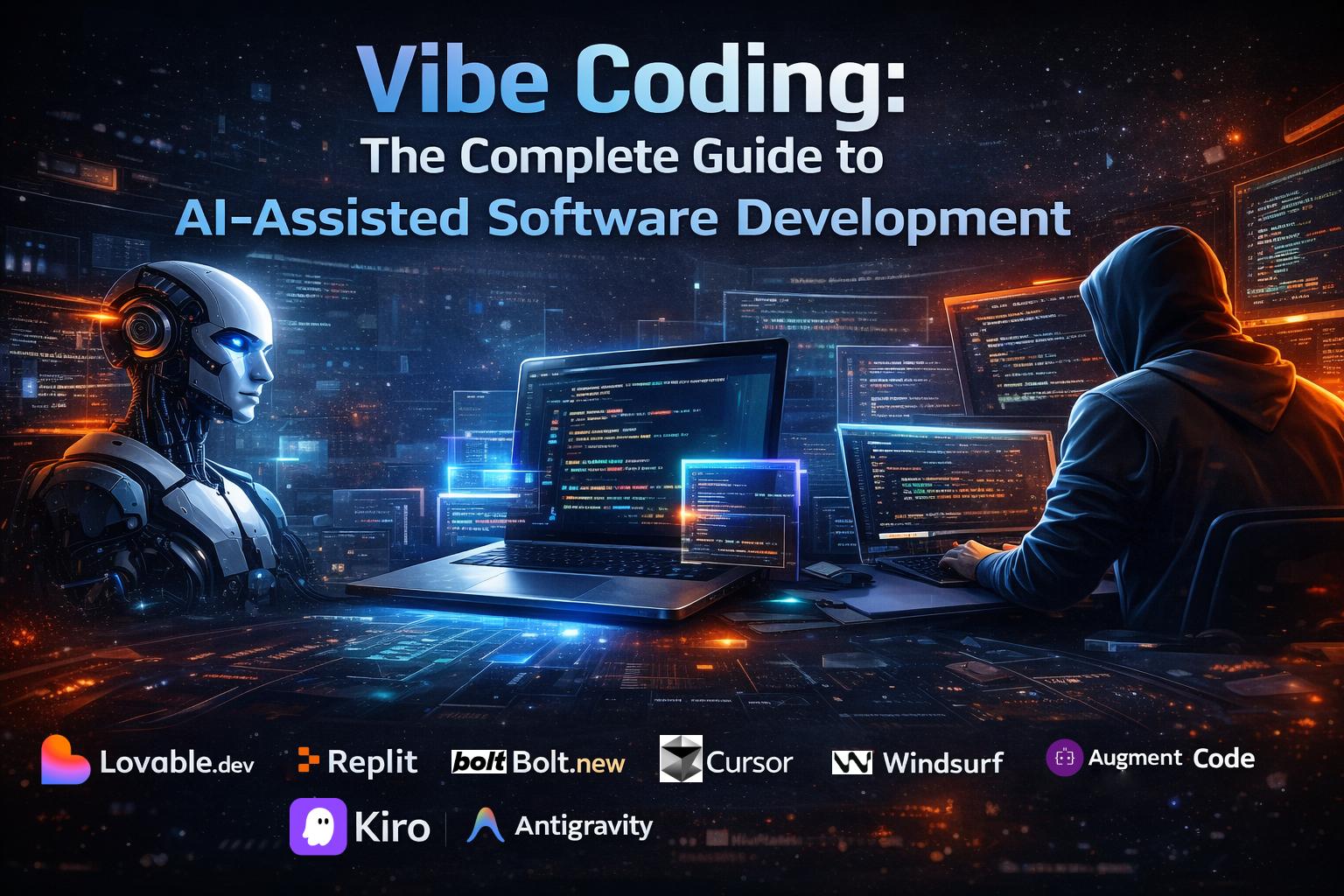
Vibe Coding: The Complete Guide to AI-Assisted Software Development
Introduction Vibe coding is rapidly changing how modern software is built. Instead of writing every line of code manually, developers, founders, and product teams now collaborate with AI-powered coding tools to move faster, prototype quicker, and ship products with fewer resources. Tools like Lovable, Replit, Bolt, Cursor, Windsurf, Augment Code, Kiro, and Antigravity have made it possible for even non‑engineers to generate functional applications. However, speed does not automatically equal quality. This is where real engineering expertise becomes essential. This guide explains what vibe coding is, how it works, the tools involved, best practices, limitations, and how to turn AI-generated code into production‑ready software. What Is Vibe Coding? Vibe coding is a development approach where developers guide AI tools using intent, prompts, and high‑level direction rather than writing all code manually. The "vibe" refers to focusing on what you want to build instead of how every line is written . In practice, vibe coding combines: Natural language prompts AI code generation and refactoring Human oversight and engineering judgment The result is faster iteration, especially during early-stage development. Why Vibe Coding Is Growing So Fast Several factors have driven the rise of vibe coding: 1. Faster Time to Market Startups and solo founders can go from idea to working prototype in days instead of months. 2. Lower Technical Barriers Non‑technical founders can participate directly in building products. 3. Cost Efficiency Early development costs are reduced by minimizing manual coding time. 4. Improved Developer Productivity Experienced engineers use AI as a force multiplier, not a replacement. Popular Vibe Coding Tools Lovable Lovable focuses on generating full-stack applications from product descriptions, making it popular among startup founders. Replit Replit provides an AI‑assisted cloud development environment that supports rapid prototyping and collaboration. Bolt Bolt specializes in quickly scaffolding applications and features from high‑level instructions. Cursor Cursor enhances traditional IDE workflows with AI-driven code suggestions, refactoring, and debugging. Windsurf Windsurf emphasizes fast iteration and developer experience with AI-assisted coding flows. Augment Code, Kiro, and Antigravity These newer tools focus on improving AI reasoning, context awareness, and multi-file code generation. What Vibe Coding Is Good At Vibe coding excels in the following areas: MVP development Rapid prototyping UI scaffolding CRUD applications Feature experimentation Learning and exploration For early-stage products, vibe coding can dramatically accelerate progress. Where Vibe Coding Falls Short Despite its advantages, vibe coding has clear limitations: 1. Architecture Issues AI-generated projects often lack scalable architecture and clean separation of concerns. 2. Security Risks Authentication, authorization, and data handling are frequently implemented incorrectly. 3. Performance Problems AI does not consistently optimize for performance, memory usage, or scalability. 4. Deployment Gaps Many vibe-coded projects fail during deployment due to missing DevOps considerations. From Vibe Coding to Production‑Ready Software To move from AI-generated code to a real product, human engineering is required. Key Steps: Code review and refactoring Proper backend architecture Database optimization Security hardening Environment configuration CI/CD setup Monitoring and logging This is where experienced full‑stack and DevOps engineers add the most value. Best Practices for Effective Vibe Coding Start with clear product requirements Use small, focused prompts Review every generated file Avoid blind copy‑paste into production Test early and often Plan deployment from day one Treat AI as a junior developer, not a lead architect Who Should Use Vibe Coding? Vibe coding is ideal for: Startup founders Indie hackers Product managers Early-stage teams Experienced developers seeking speed It is less suitable for regulated industries or mission‑critical systems without strong engineering oversight. Vibe Coding and the Future of Software Development Vibe coding is not replacing developers. It is reshaping the role of engineers toward: System design Architecture decisions Code review and validation Security and scalability Teams that combine AI tools with strong engineering fundamentals will have a competitive advantage. Final Thoughts Vibe coding represents a powerful shift in how software is built. When used correctly, it enables faster innovation and lowers barriers to entry. When used without proper oversight, it introduces technical debt and risk. The most successful teams treat vibe coding as a collaboration between AI and experienced engineers—not a shortcut around engineering principles. If you are building with AI tools and want to turn your project into a reliable, scalable product, professional engineering support makes all the difference.
Read article →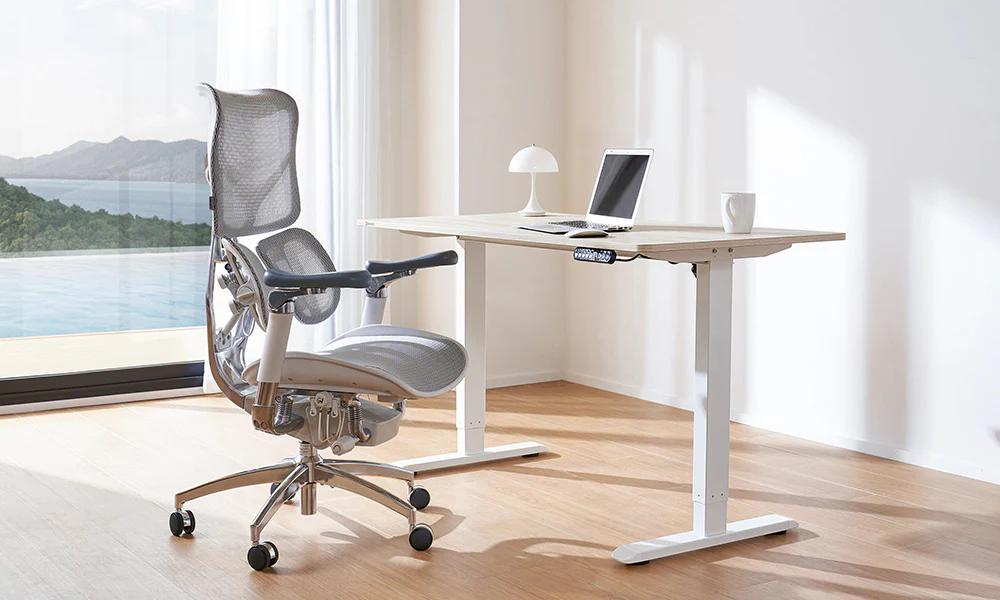
My New Work Station: Embracing the Heights of Productivity with a Standing Desk
Introduction: Welcome to the unveiling of my revamped workspace! In the pursuit of a healthier and more productive work environment, I recently made a significant upgrade – I embraced the world of standing desks. Join me as I share my journey into the realm of ergonomic bliss and discover how this change has positively impacted my daily work routine. The Decision to Stand: For many of us, the sedentary nature of desk jobs can take a toll on both physical and mental well-being. The idea of a standing desk began to intrigue me as I sought a solution to combat the notorious slouch and fatigue that often accompany long hours at a traditional desk. The decision to stand while working not only promised increased energy levels but also hinted at a healthier posture and improved focus. Setting Up the Standing Desk: The excitement of receiving and assembling my new standing desk was palpable. As each piece came together, I envisioned a workspace that would not only elevate my computer but also lift my productivity to new heights. The adjustable features of the desk allowed me to find the perfect height, ensuring a comfortable and customized experience. The Impact on Productivity: The transition to a standing desk brought about a noticeable shift in my daily work routine. While the physical benefits were evident – reduced back pain, increased circulation, and improved posture – the impact on productivity was equally profound. Standing while working encouraged better concentration, minimized distractions, and infused a renewed sense of alertness into my tasks. Ergonomics and Comfort: One of my initial concerns was whether standing for extended periods would lead to discomfort. However, with the right ergonomic setup, including an anti-fatigue mat and proper footwear, my fears were quickly dispelled. The standing desk's adaptability allowed me to seamlessly switch between sitting and standing, striking the perfect balance between comfort and health. Tips and Tricks for Standing Desk Success: In my exploration of the standing desk lifestyle, I've gathered some invaluable tips and tricks. From incorporating short breaks to stretch and move around to investing in a supportive anti-fatigue mat, these insights have contributed to making the standing desk experience not just beneficial but enjoyable. The Standing Desk Chronicles: Follow me on this blog series, 'The Standing Desk Chronicles,' where I'll share updates on my journey, delve into the latest ergonomic trends, and explore the broader landscape of creating a workspace that nurtures both productivity and well-being. Conclusion: My new workstation – the standing desk – has truly been a game-changer. It's not just about standing; it's about elevating my work experience, quite literally. Join me in this ongoing adventure as we explore the heights of productivity, one standing desk at a time. Welcome to 'My New Work Station: The Standing Desk Chronicles.' Stand tall, work smart!
Read article →